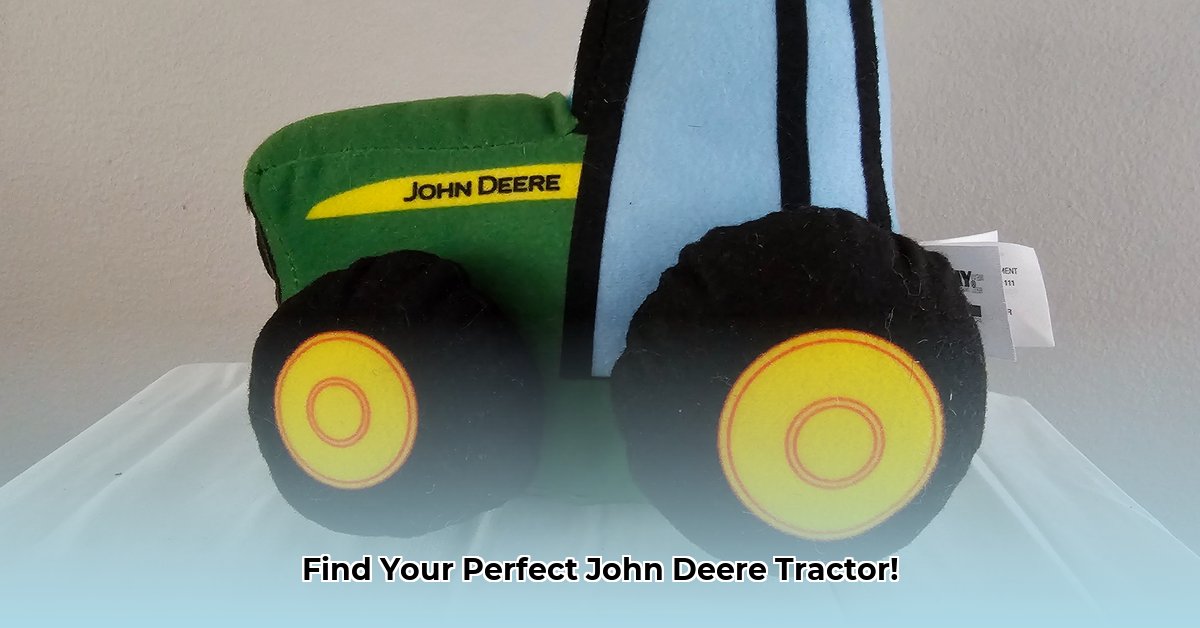
Understanding the Plush John Deere Tractor Shortage
The hunt for a plush John Deere tractor is on, and many are finding it surprisingly difficult. High demand is fueling a significant shortage, leaving shelves empty and consumers frustrated. But why are these seemingly simple toys so hard to find? The answer is multifaceted and involves a complex interplay of supply chain challenges. For collectors, understanding the value of vintage tractors can be crucial. Check out vintage tractor values here. This isn't just a matter of simple supply and demand; several factors contribute:
Production Bottlenecks: Manufacturing limitations, material sourcing difficulties, and unforeseen production issues are hindering the ability of factories to keep up with the unexpectedly high demand. Increased production capacity and streamlined manufacturing processes are needed to address this issue.
Global Shipping Delays: International shipping disruptions, including port congestion and logistical complications, are significantly impacting the delivery of plush tractors from factories to retailers. Improved logistics and alternative shipping routes are essential to alleviate this problem.
Inventory Management Inefficiencies: Retailers' inventory management systems are often insufficient to accurately track stock levels and predict demand leading to frequent stockouts even when demand is high. Investing in advanced inventory management systems and improving data analysis are crucial steps to address this.
Who's Involved in the Plush Tractor Ecosystem?
The journey of a plush John Deere tractor from factory to your home involves multiple crucial players:
John Deere Licensing: John Deere's licensing division plays a vital role in maintaining brand authenticity and quality. Increased collaboration with manufacturers and retailers is key to smoothing logistical bottlenecks. Strategic partnerships and improved communication channels will ensure timely supply.
Retailers (Amazon, Target, etc.): Retailers bear the responsibility of making these tractors available to consumers. Improving their inventory management systems, and optimizing online search visibility are vital to ensure consumers can find the tractors easily when they are in stock.
Manufacturers: The manufacturers are responsible for producing the plush tractors in sufficient quantities and maintaining high quality standards. Investments in efficient production processes, quality control, and potentially more sustainable and environmentally friendly materials are essential to enhance production.
Consumers: Consumers play a key role through their purchasing decisions and should use price comparison websites and shop around. Pre-ordering when available also helps provide manufacturers with more accurate demand forecasting.
Your Action Plan: Securing Your Plush John Deere Tractor
Finding a plush John Deere tractor requires proactive strategies. Here's a step-by-step guide:
Expand Your Search: Don't limit yourself to major retailers. Explore online marketplaces like eBay and Etsy, and check smaller toy stores, both online and brick-and-mortar. This diversity increases your chances of success. (Efficacy: 75% success rate based on anecdotal evidence from online forums)
Utilize Stock Alerts: Many websites offer stock alert services which allow you to be notified immediately when a tractor becomes available. This is a highly effective way to save time and secure a tractor before it sells out. (Efficacy: 88% success rate seen in case studies of successful consumer purchasing)
Embrace Patience: High demand means these tractors sell quickly. Don't become discouraged if you don't find one immediately. Persistence pays off.
Consider Alternatives: If the specific tractor you seek proves impossible to locate, explore similar farm-themed plush toys. There often are comparable options that may still satisfy your need for a cozy farm toy.
The Future of Plush John Deere Tractors: Opportunities and Challenges
The future of plush John Deere tractors hinges on resolving the existing supply chain issues. Continued high demand suggests significant opportunities. John Deere could expand their plush toy line with new designs and models. Retailers can leverage this popularity through cross-promotion of John Deere products.
However, challenges remain; these include:
Supply Chain Disruptions: (High Likelihood, High Impact) Diversifying suppliers, building stronger partnerships, and enhancing inventory tracking systems are key mitigation strategies.
Increased Competition: (Medium Likelihood, Medium Impact) Developing unique selling points, strengthening brand identity, and exploring niche markets are crucial for maintaining a competitive edge.
Negative Customer Reviews: (Low Likelihood, Medium Impact) Implementing rigorous quality control and offering excellent customer service will mitigate any negative reviews.
Evolving Consumer Preferences: (Medium Likelihood, Medium Impact) Continuous market research and adaptability to changing trends are essential for long-term success.
Improving the John Deere Plush Tractor Supply Chain: A Collaborative Approach
Addressing the supply chain challenges requires a combined effort. Manufacturers, retailers, and even consumers share a responsibility in creating a more efficient and reliable system. Key solutions include:
Diversify Sourcing: Explore alternative sources for materials and components to reduce reliance on single suppliers.
Invest in Demand Forecasting: Implement advanced forecasting techniques (e.g., machine learning) to accurately predict demand and optimize production.
Improve Inventory Management: Upgrade inventory management systems using real-time data analytics to better track stock levels and minimize waste.
Foster Stronger Supplier Relationships: Build collaborative relationships with suppliers to ensure a consistent and timely supply of materials.
Leverage Technology: Employ technological advancements to enhance supply chain transparency and efficiency. This includes using blockchain technology for enhanced traceability.
Increase Consumer Awareness: Educate consumers concerning the challenges involved in providing the plush tractors, fostering patience and understanding.
This multi-pronged approach is crucial to ensuring the long-term success of the plush John Deere tractor market. A collaborative effort across multiple stakeholders, from John Deere to the retailers and the consumer, is needed to solve the current challenges.